October 2026
Italy
RomeFlorenceVeniceSicily
Art, civic memory, sacred architecture, and the historical layers still visible in contemporary Italian streets.
A field archive of European art, history & place
Direct, unedited video observations recorded in museums, churches, streets, ruins, and landscapes across Europe.
Italy and Greece are presented as distinct field collections, each grounded in its own places, history, and observations.
Art, civic memory, sacred architecture, and the historical layers still visible in contemporary Italian streets.
From Mycenae’s Bronze Age citadel and Epidaurus’s sanctuary to Nafplio’s fortified harbor, Athens, and the Temple of Poseidon at Cape Sounion, this journey moves through ritual, performance, power, and passage.
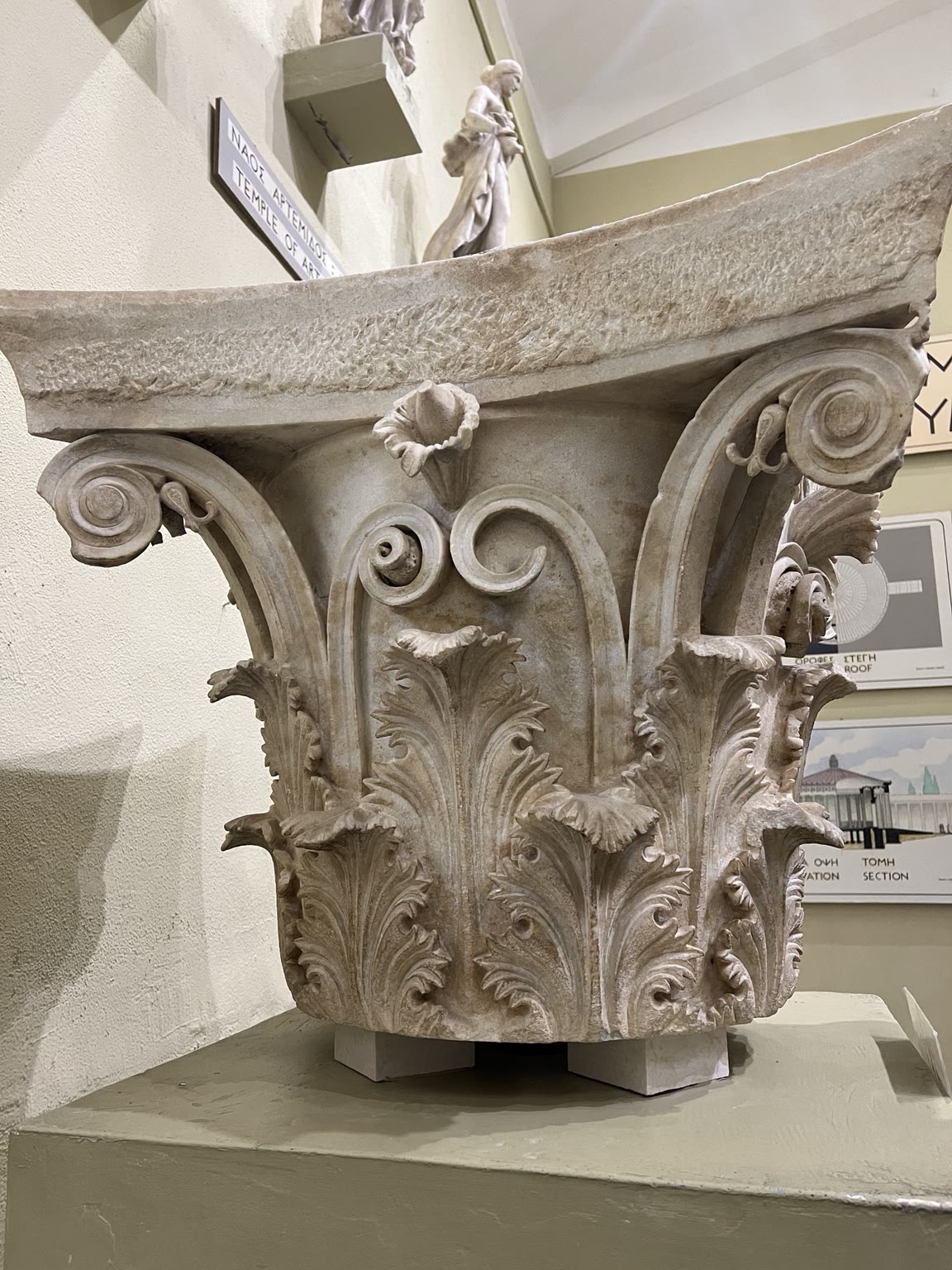
Discovered by Cavvadias carefully buried between the Thymele and the Temple of Asklepios, this capital was thought to be Polykleitos’s original prototype, although it may be a later copy. Marble’s slight translucency lets light enter the surface and scatter back, giving the deeply carved leaves a soft inner glow.
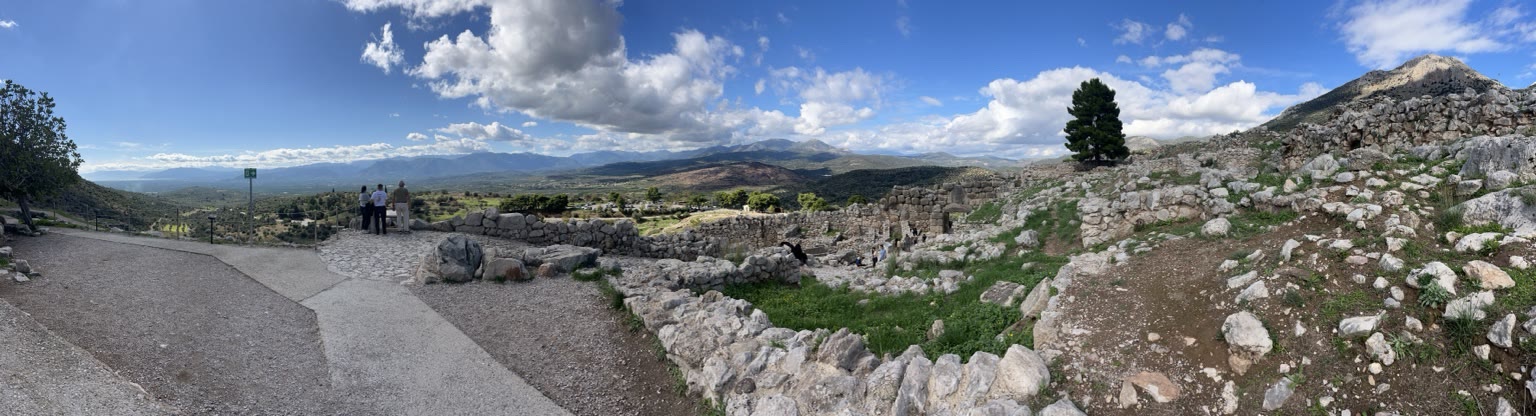
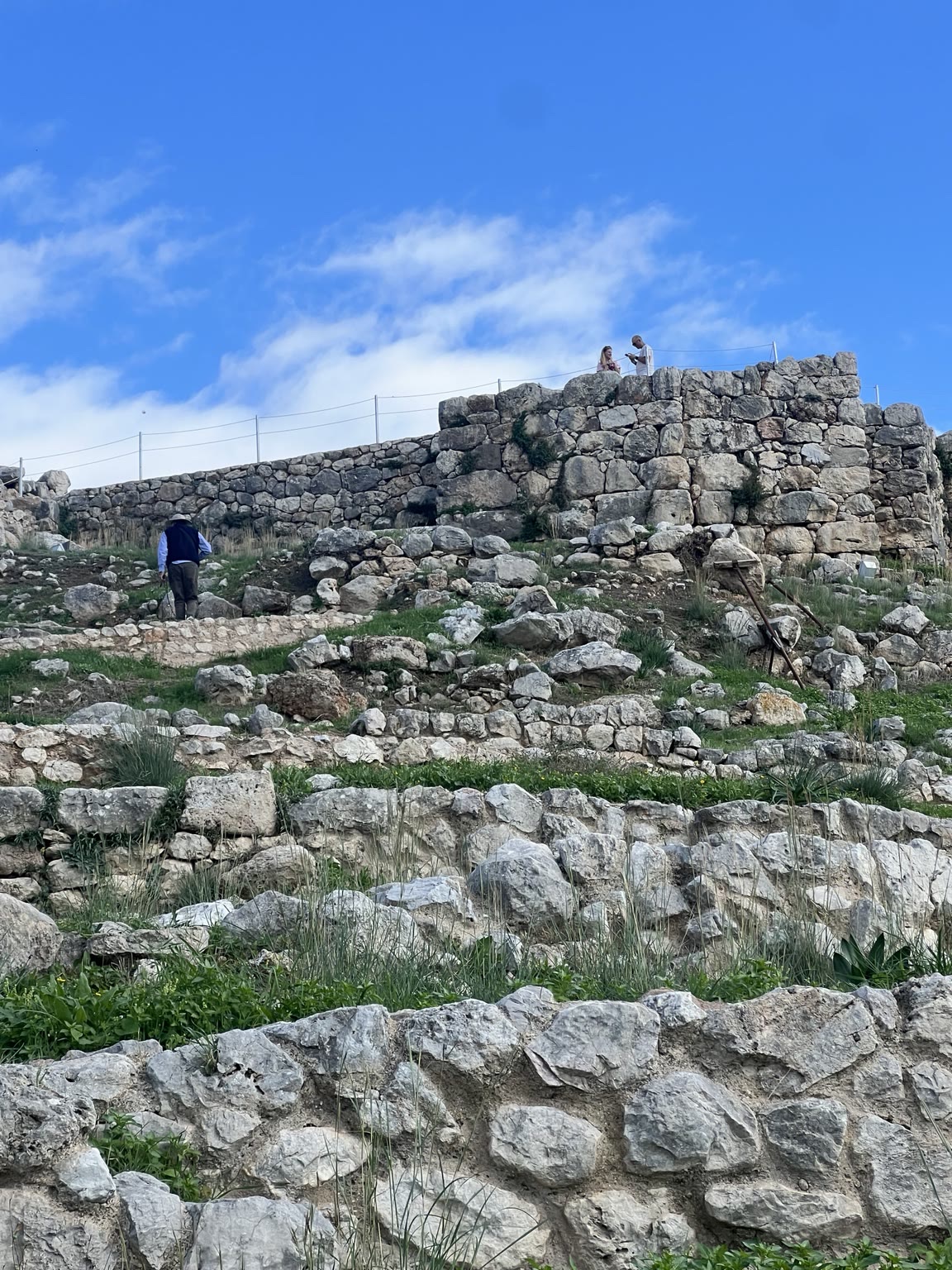
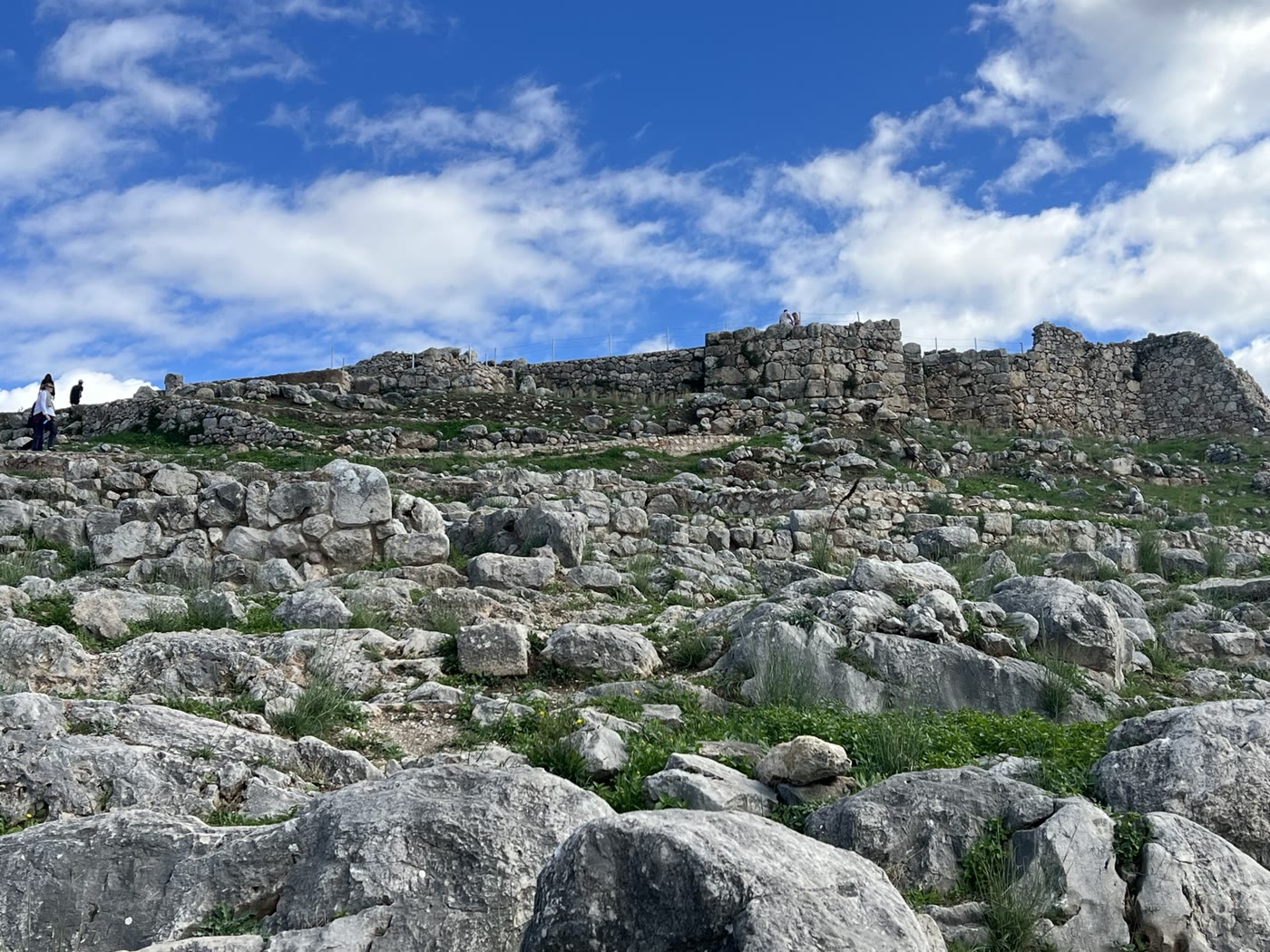
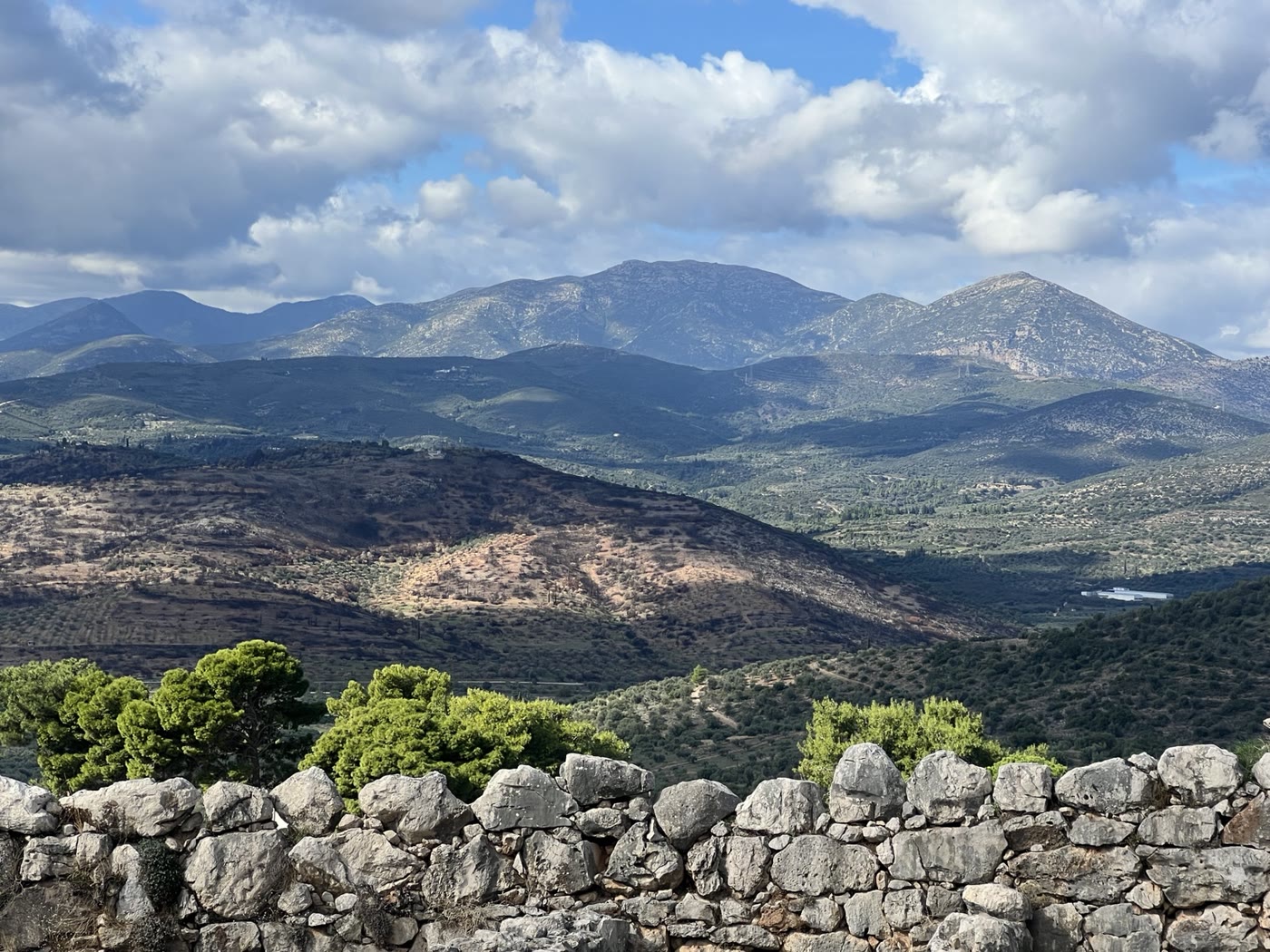
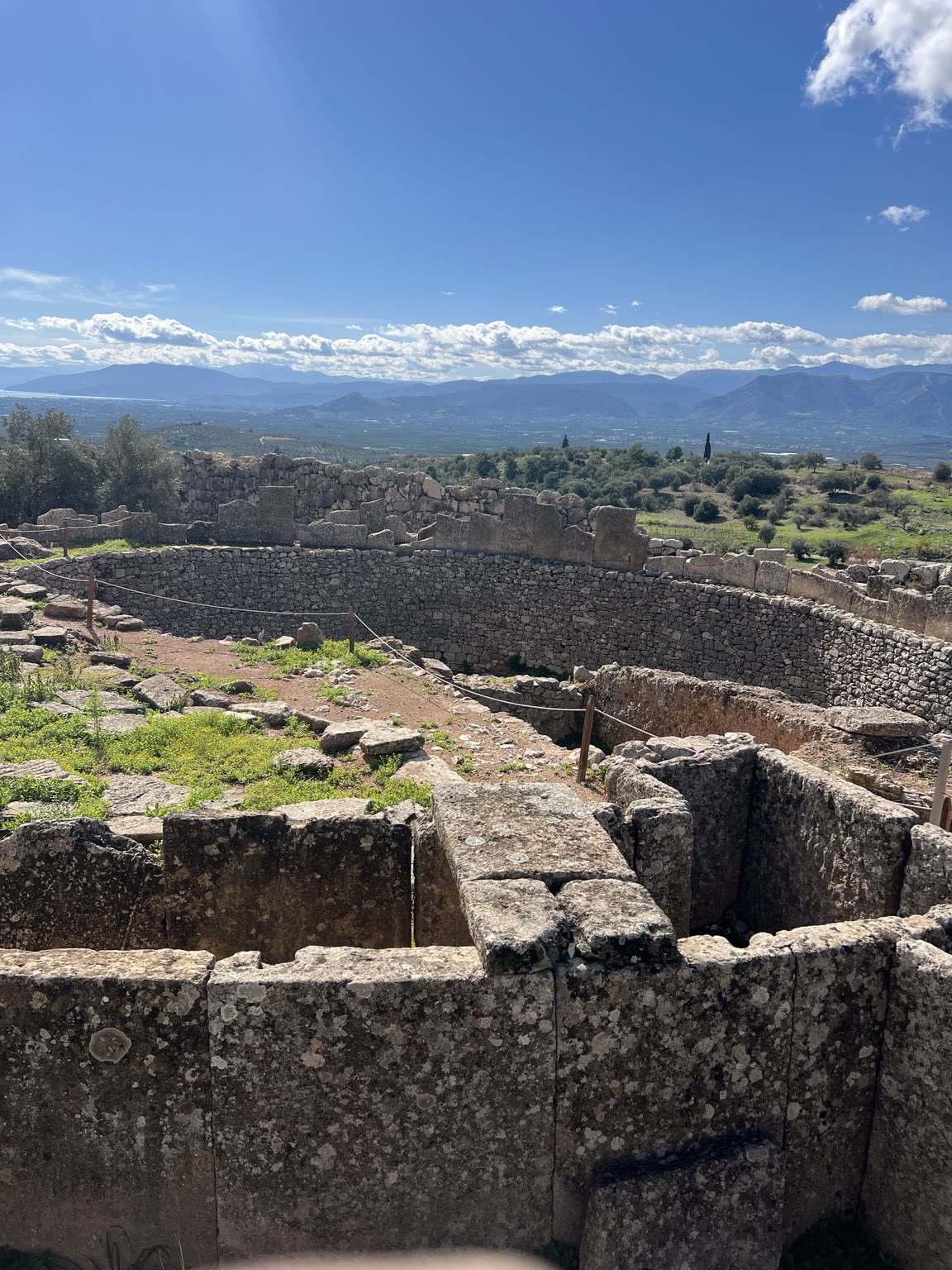
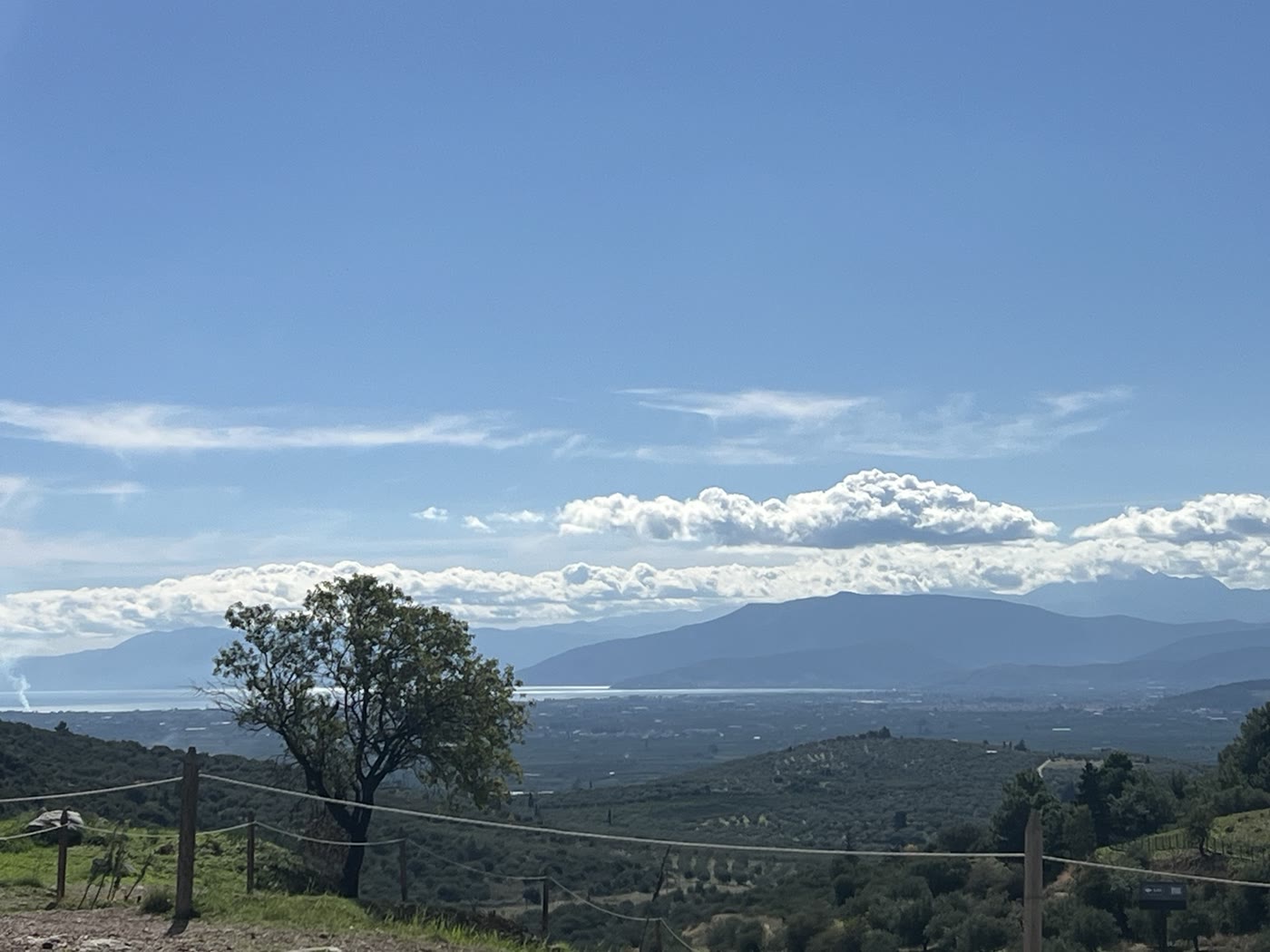
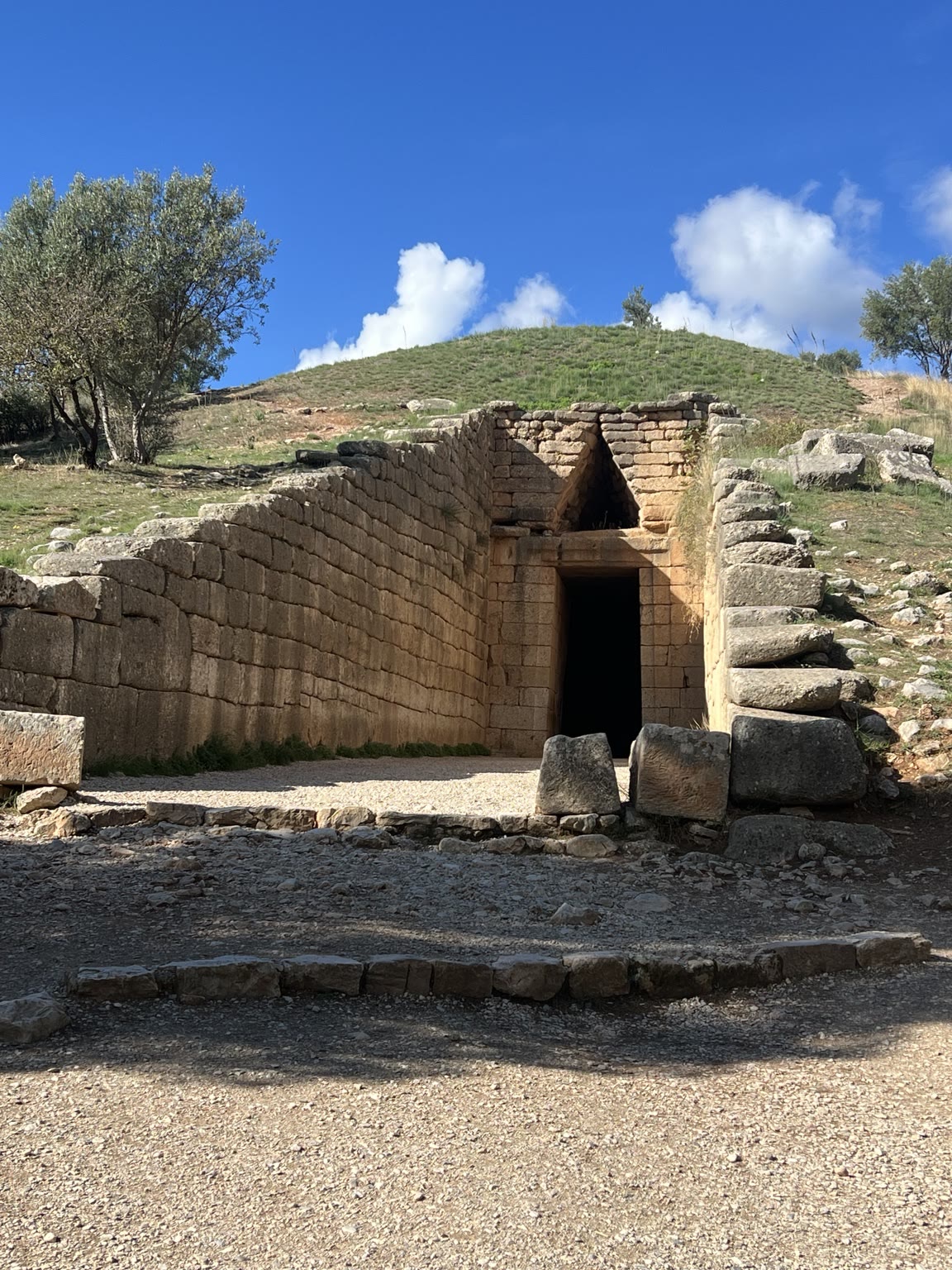
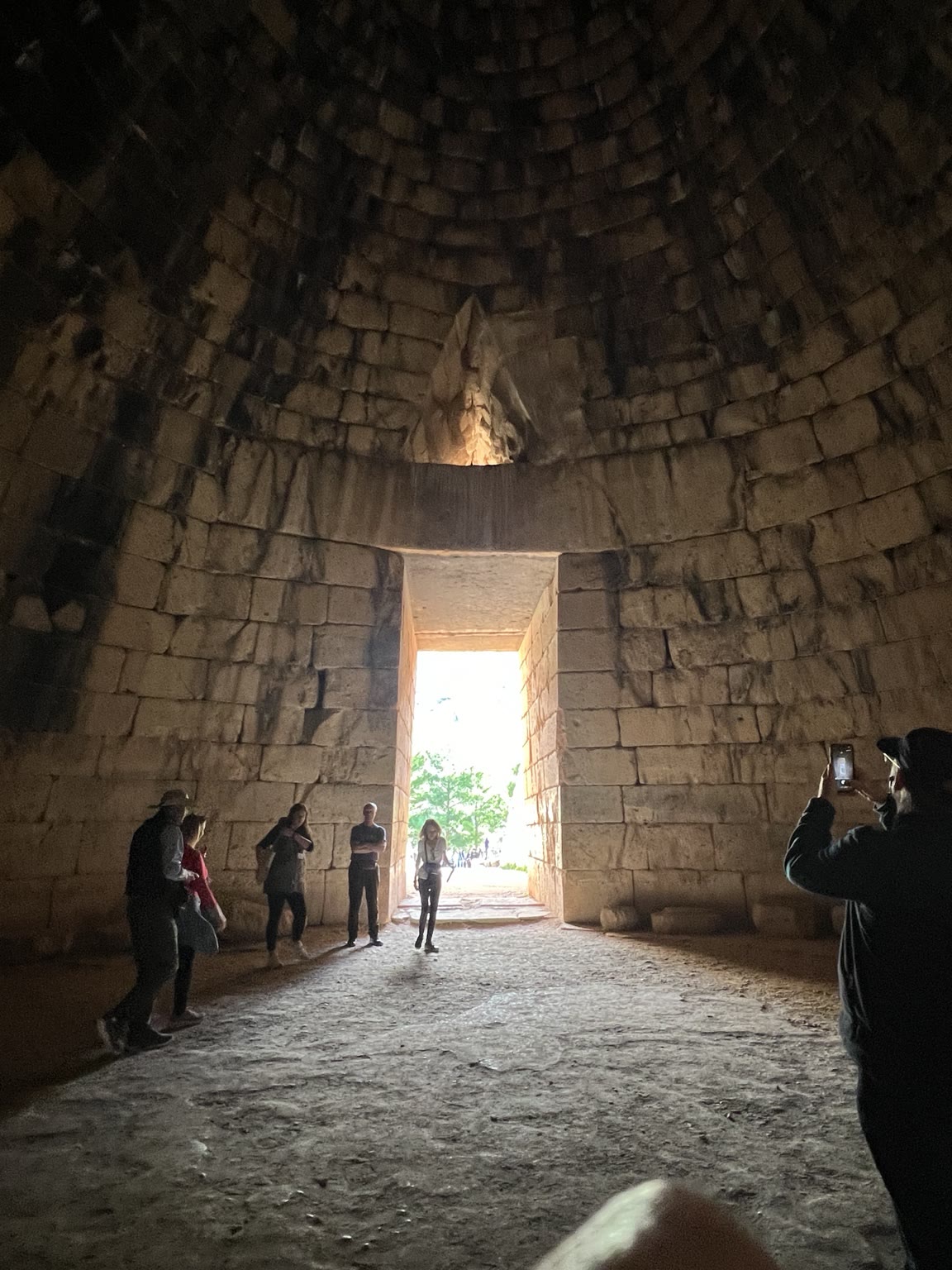
The Bronze Age citadel rises above the Argolid, its Cyclopean walls, burial grounds, and fragmented buildings opening onto an immense mountain landscape.
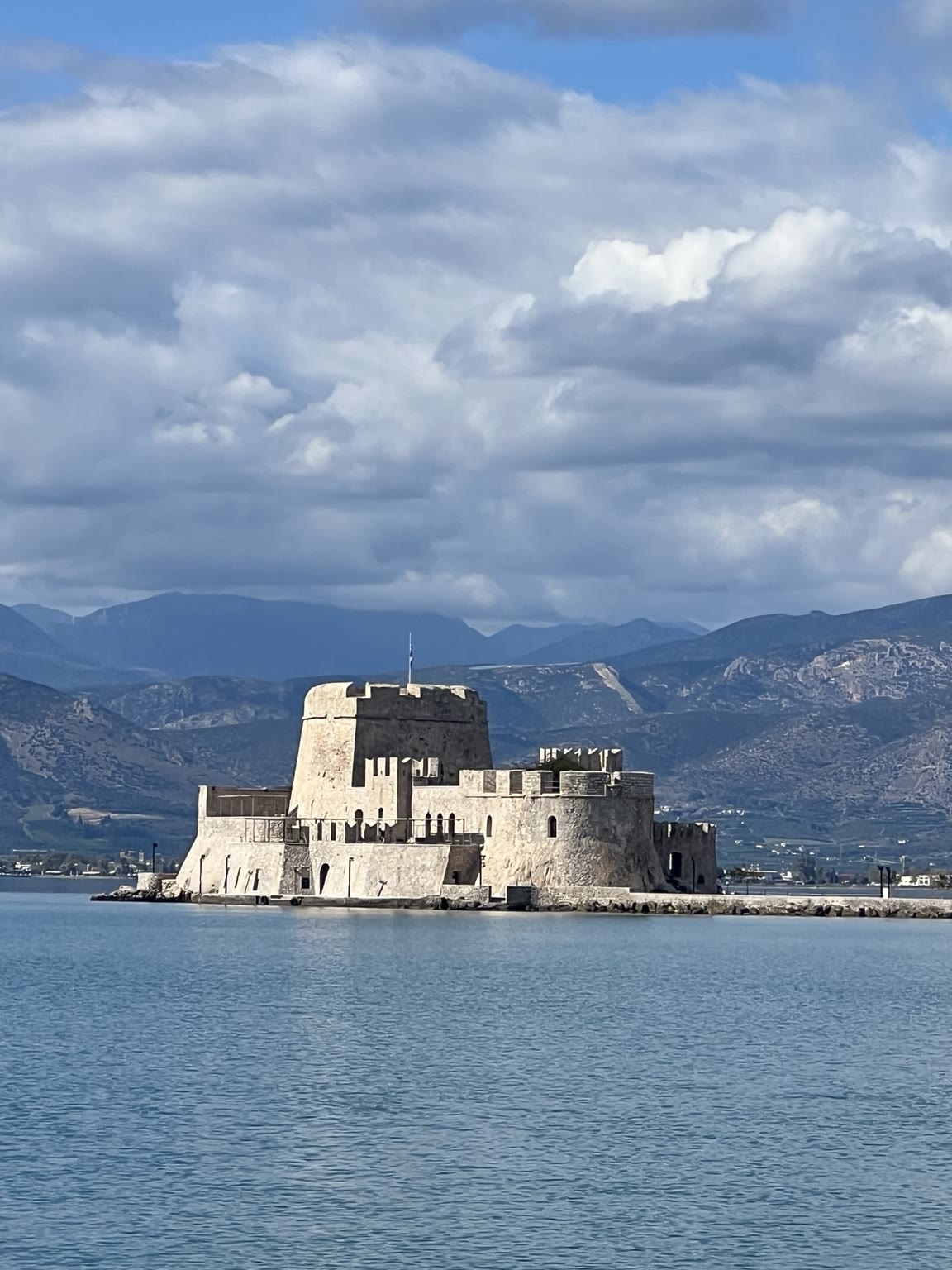
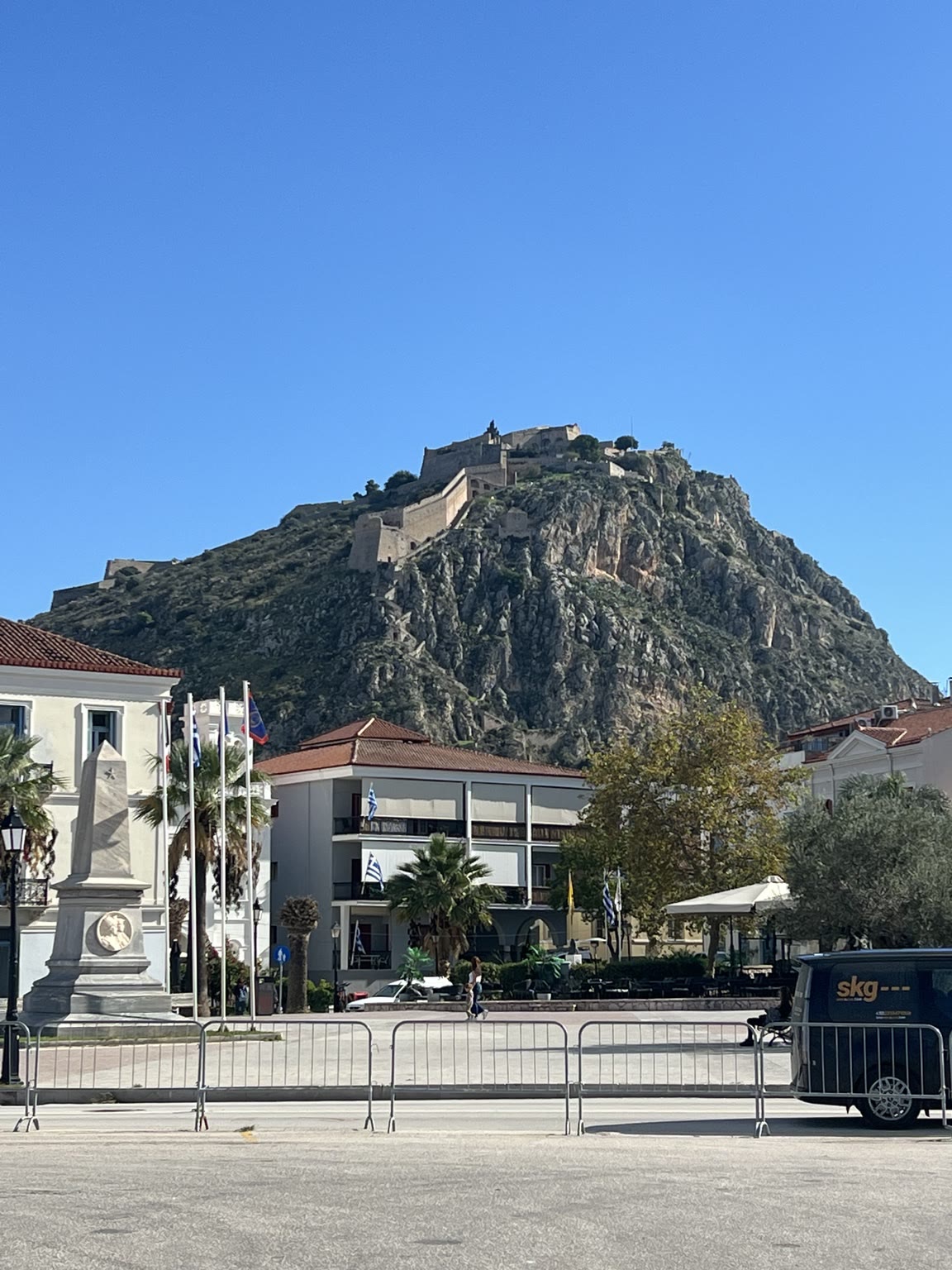
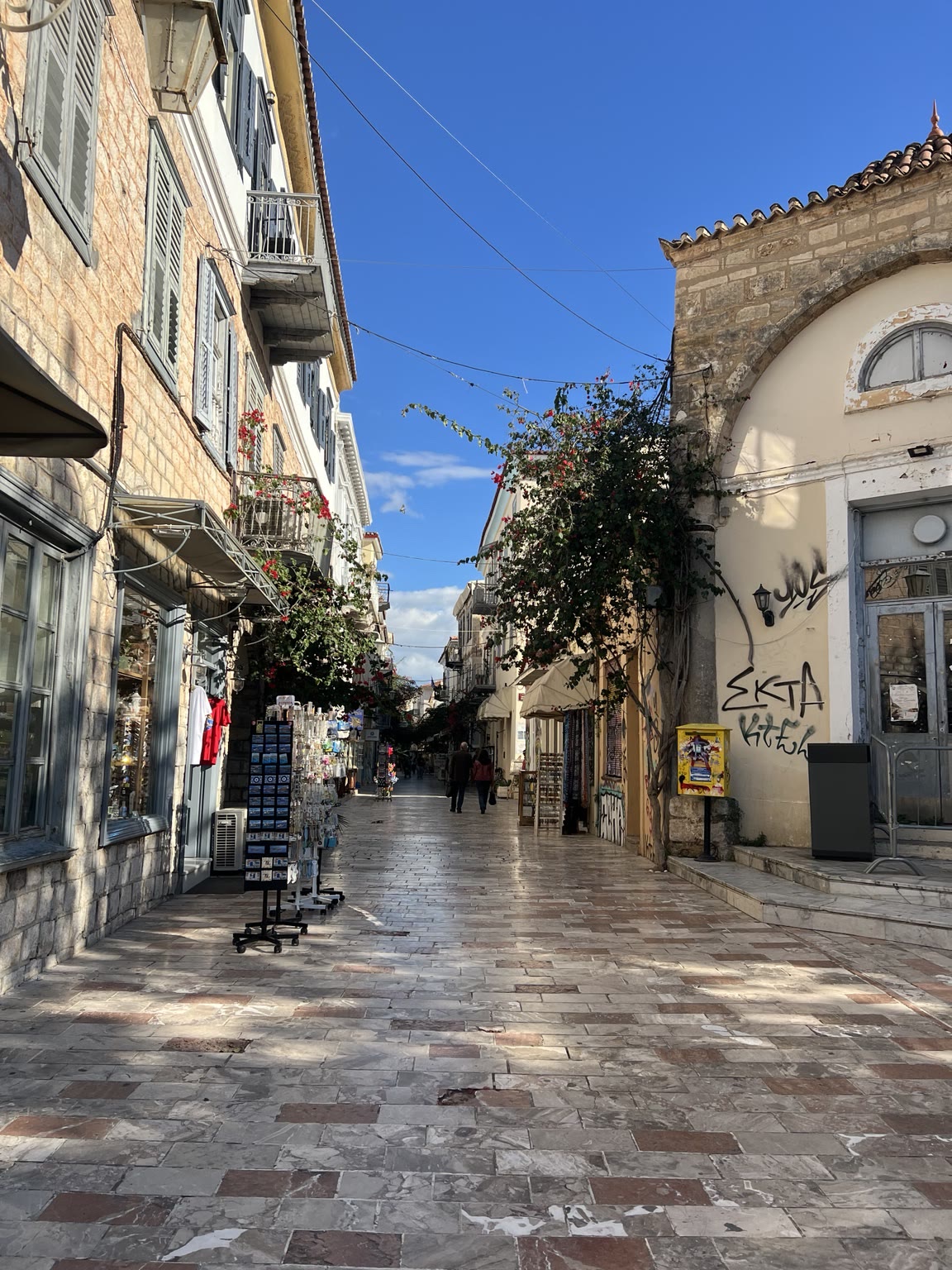
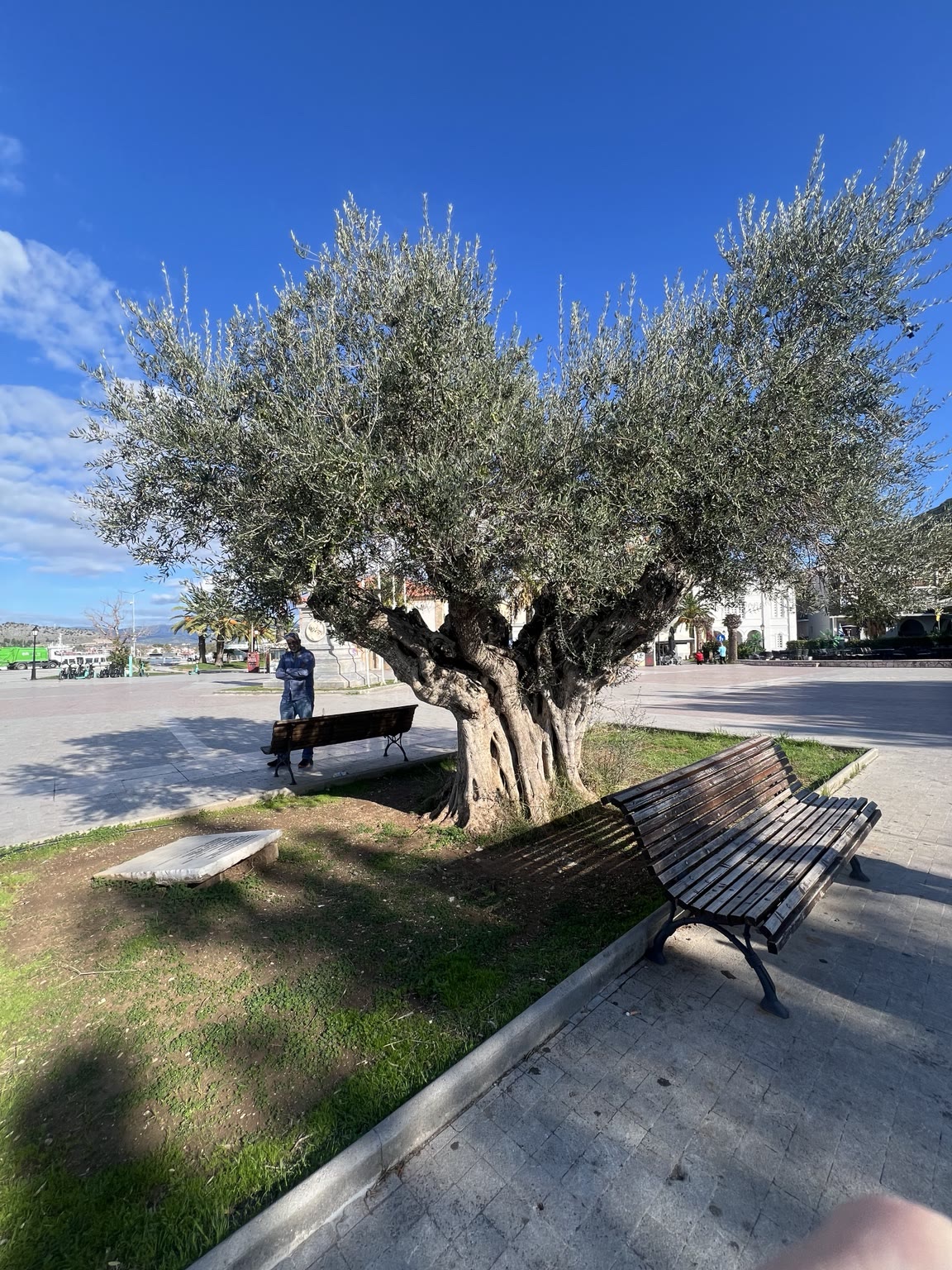
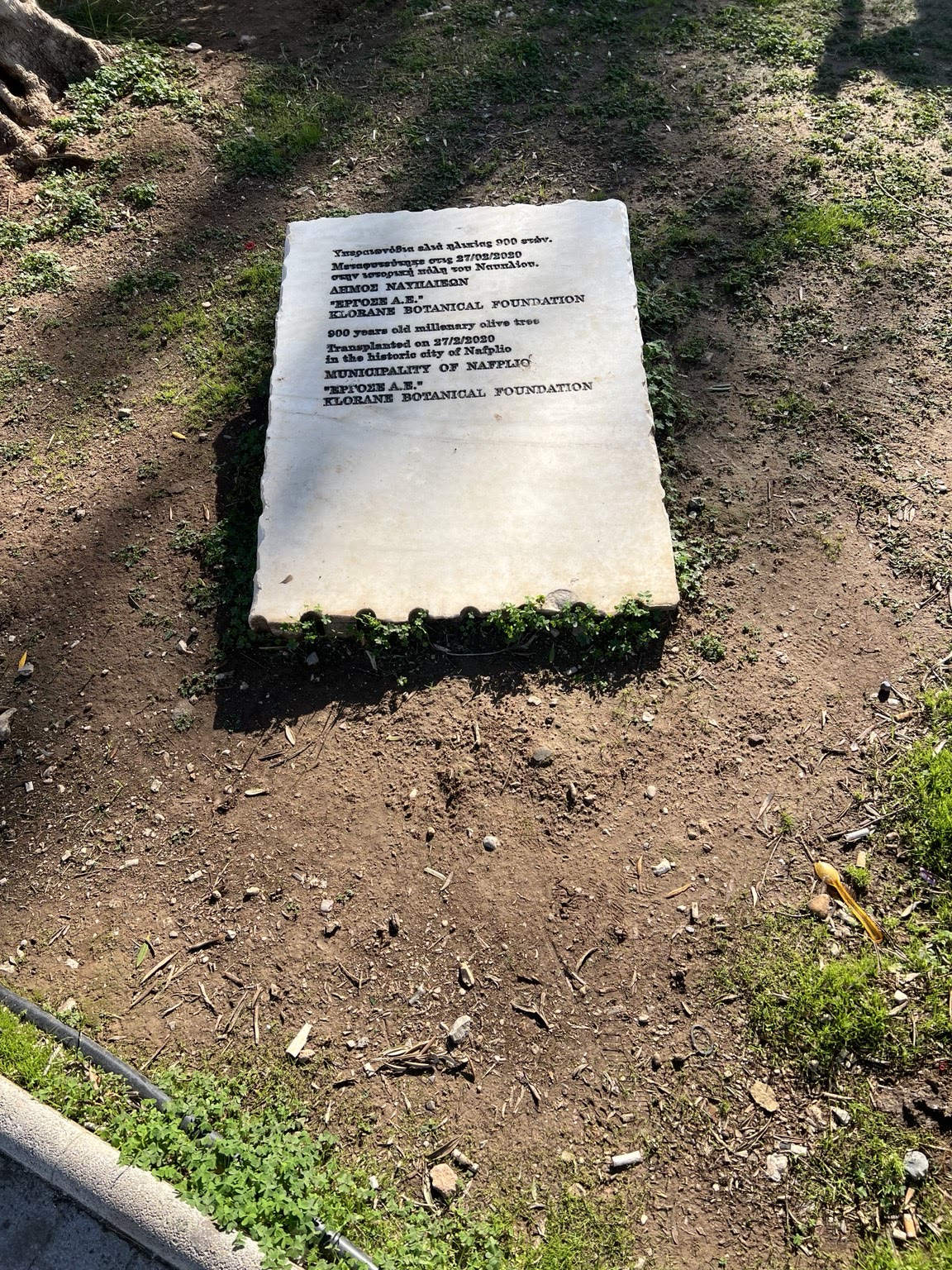
A waterfront city framed by fortresses, old stone streets, and an olive tree whose life began centuries before the modern city around it.
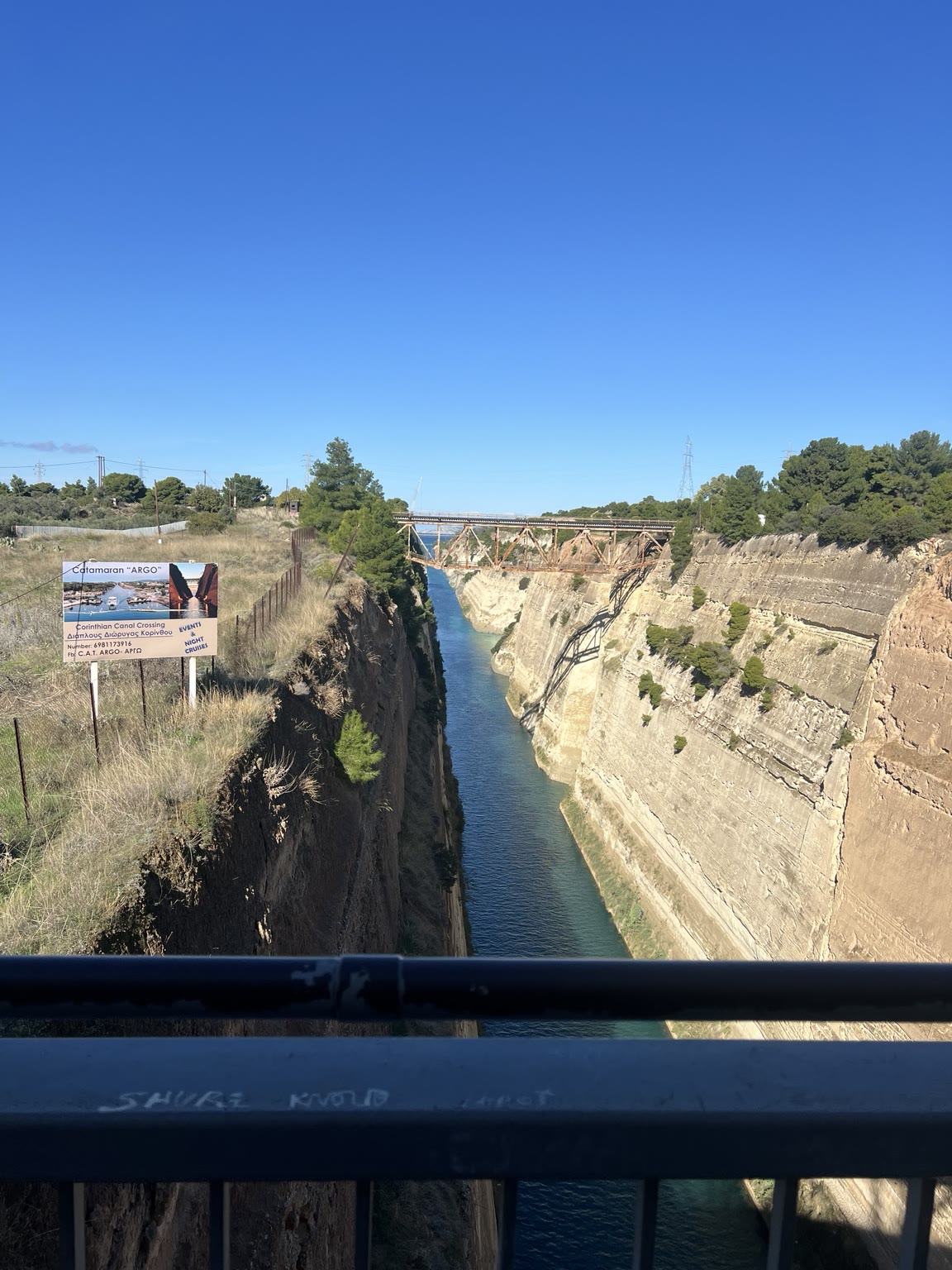
The narrow canal cuts through the Isthmus of Corinth, separating the Peloponnese from mainland Greece and opening a direct passage between the Saronic and Corinthian gulfs.
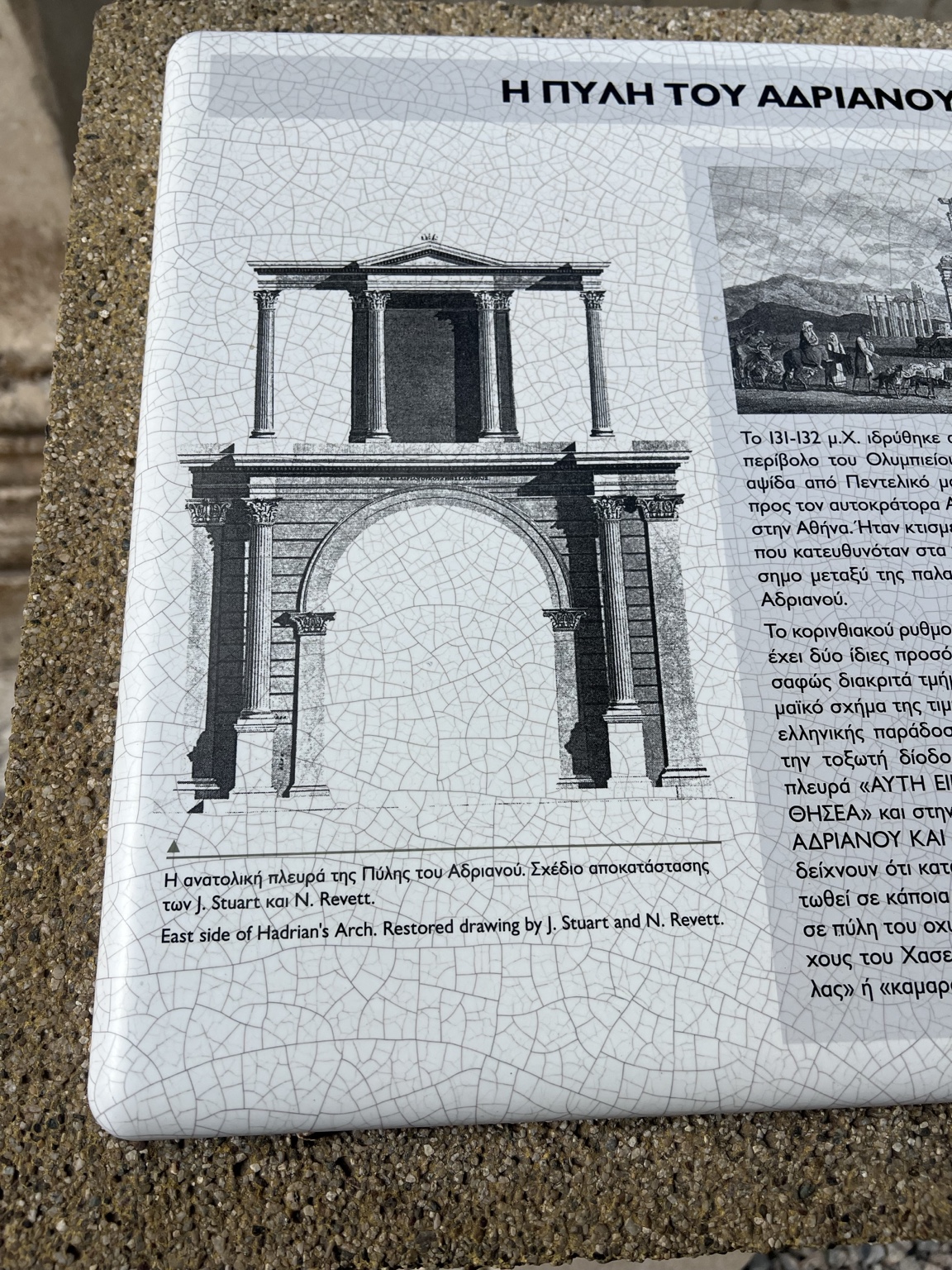
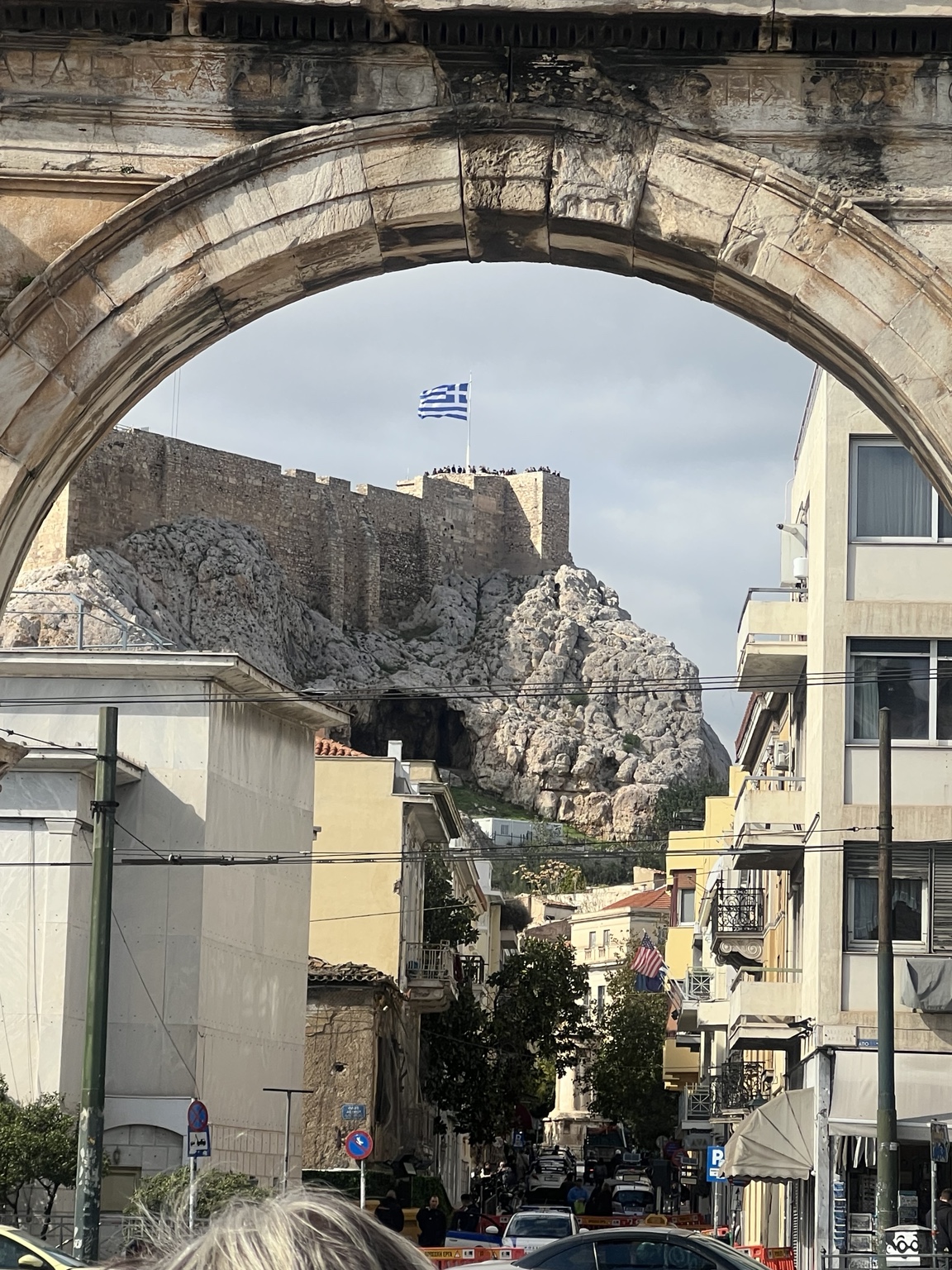
Roman monuments, excavated layers, and modern commemoration share the city with the Acropolis, keeping Athens’s long historical life visible in the present.
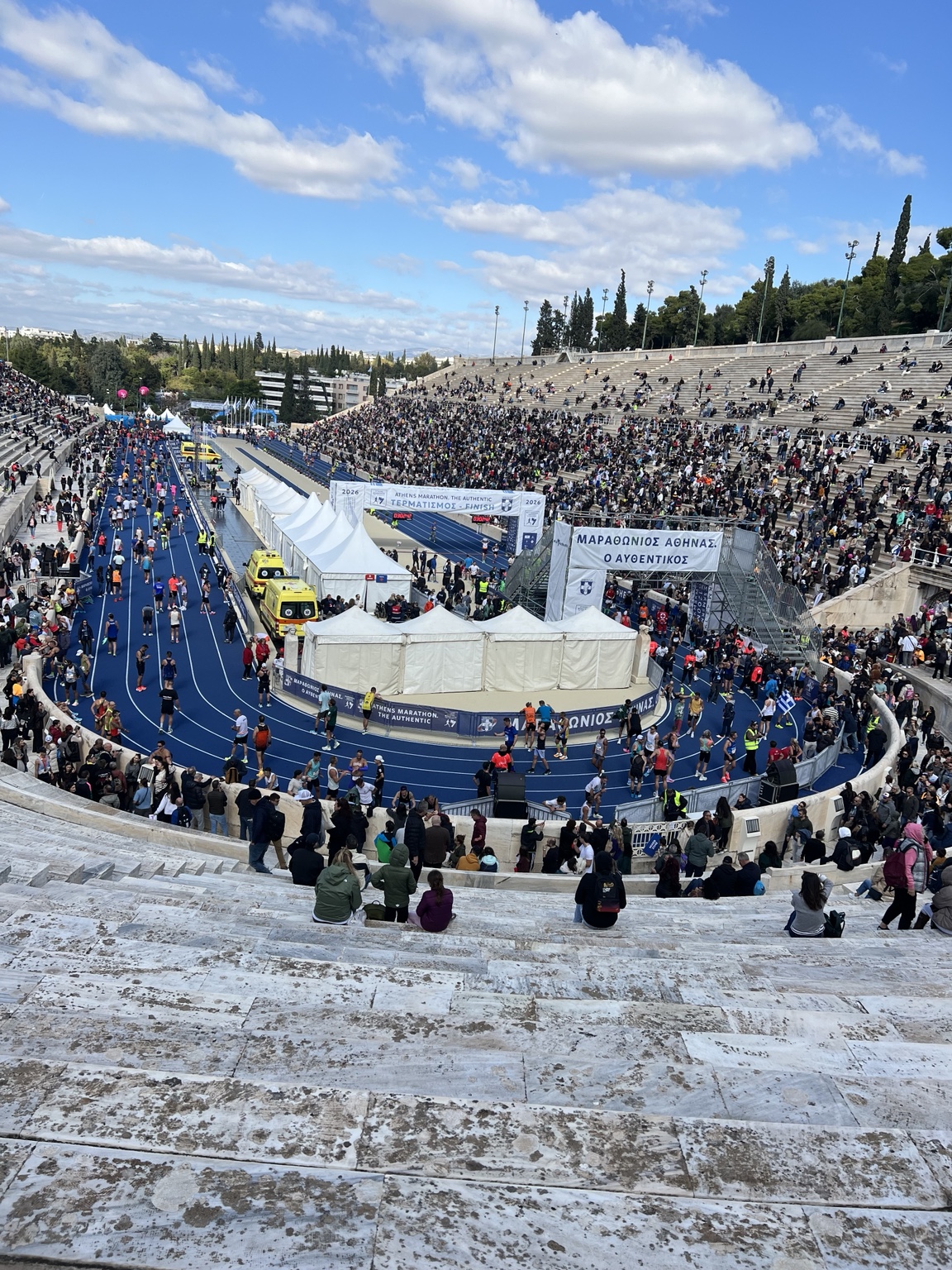
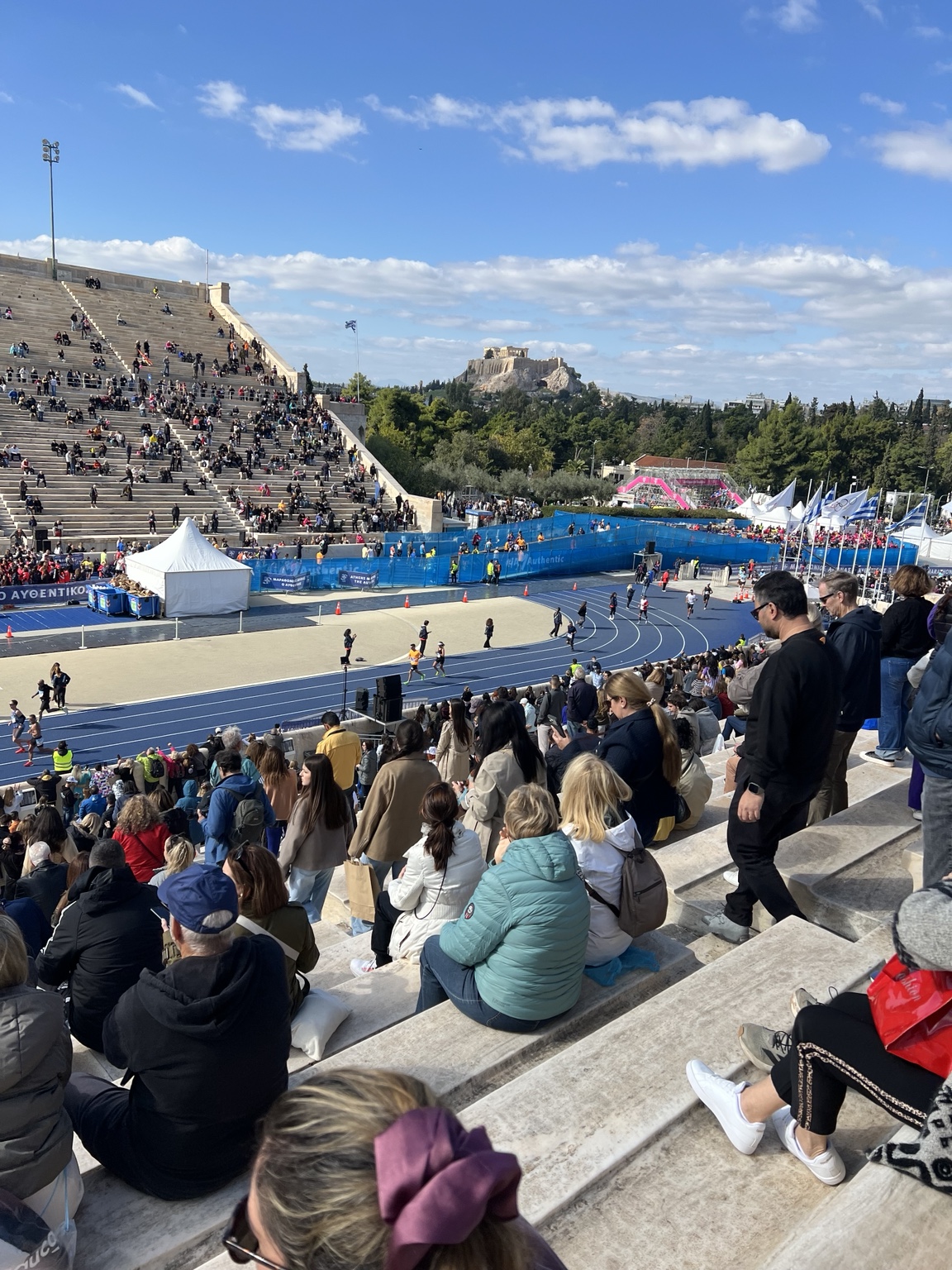
Today’s race connects Athens to the ancient story that gave the marathon its name.
According to legend, after the Athenians defeated the Persians at the Battle of Marathon in 490 BCE, the messenger Pheidippides ran from Marathon to Athens. He announced the victory—“We have won!”—then collapsed and died.
That story inspired the marathon created for the first modern Olympic Games in Athens in 1896. Today, the Athens Marathon follows the legendary journey from Marathon into the city and finishes inside the Panathenaic Stadium. Watching the runners enter the stadium, with the Acropolis visible beyond, brings the ancient story into the present.
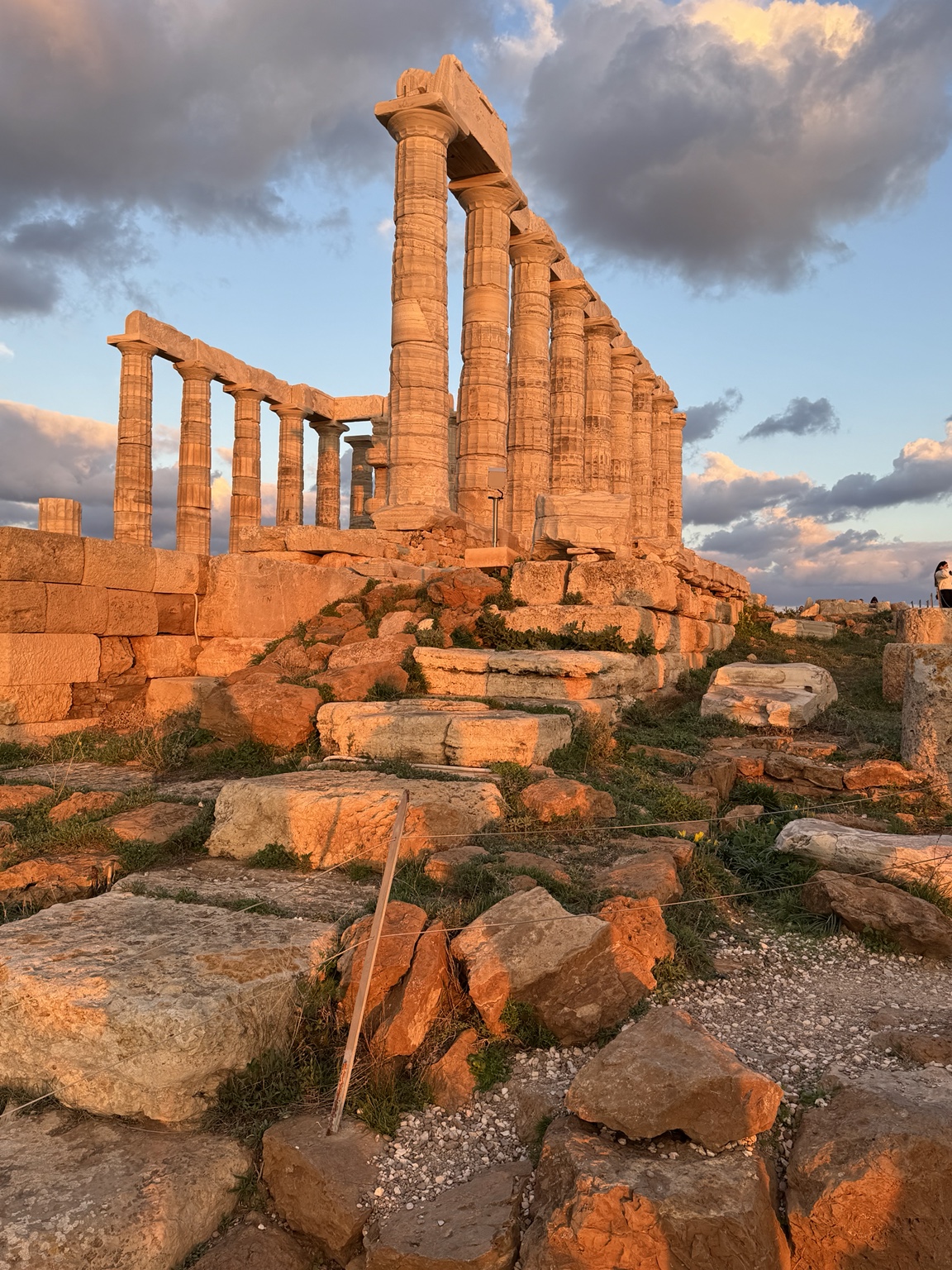
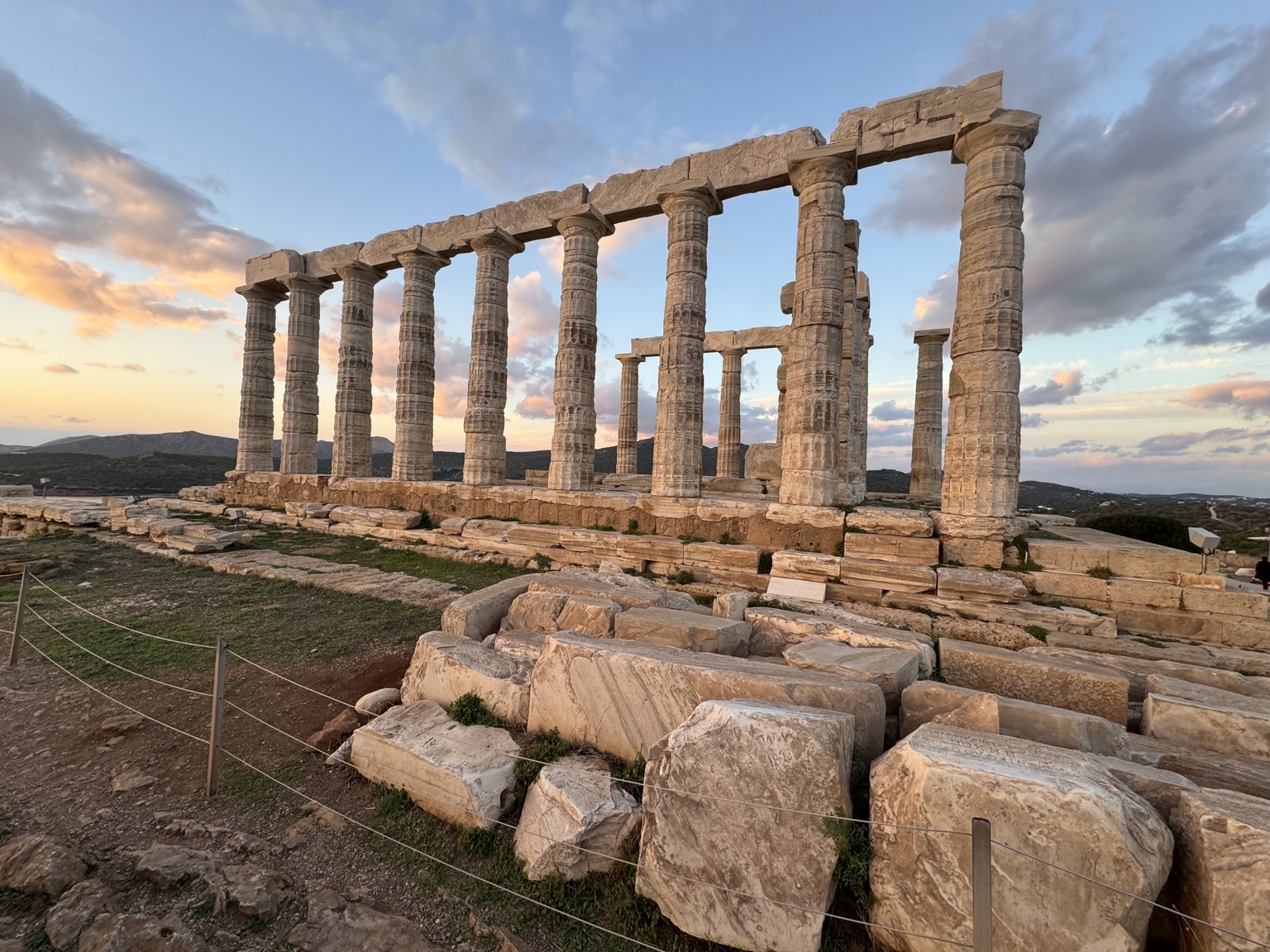
The Temple of Poseidon stands at the southernmost point of Attica—a rough Greek analogue to Land’s End in England.
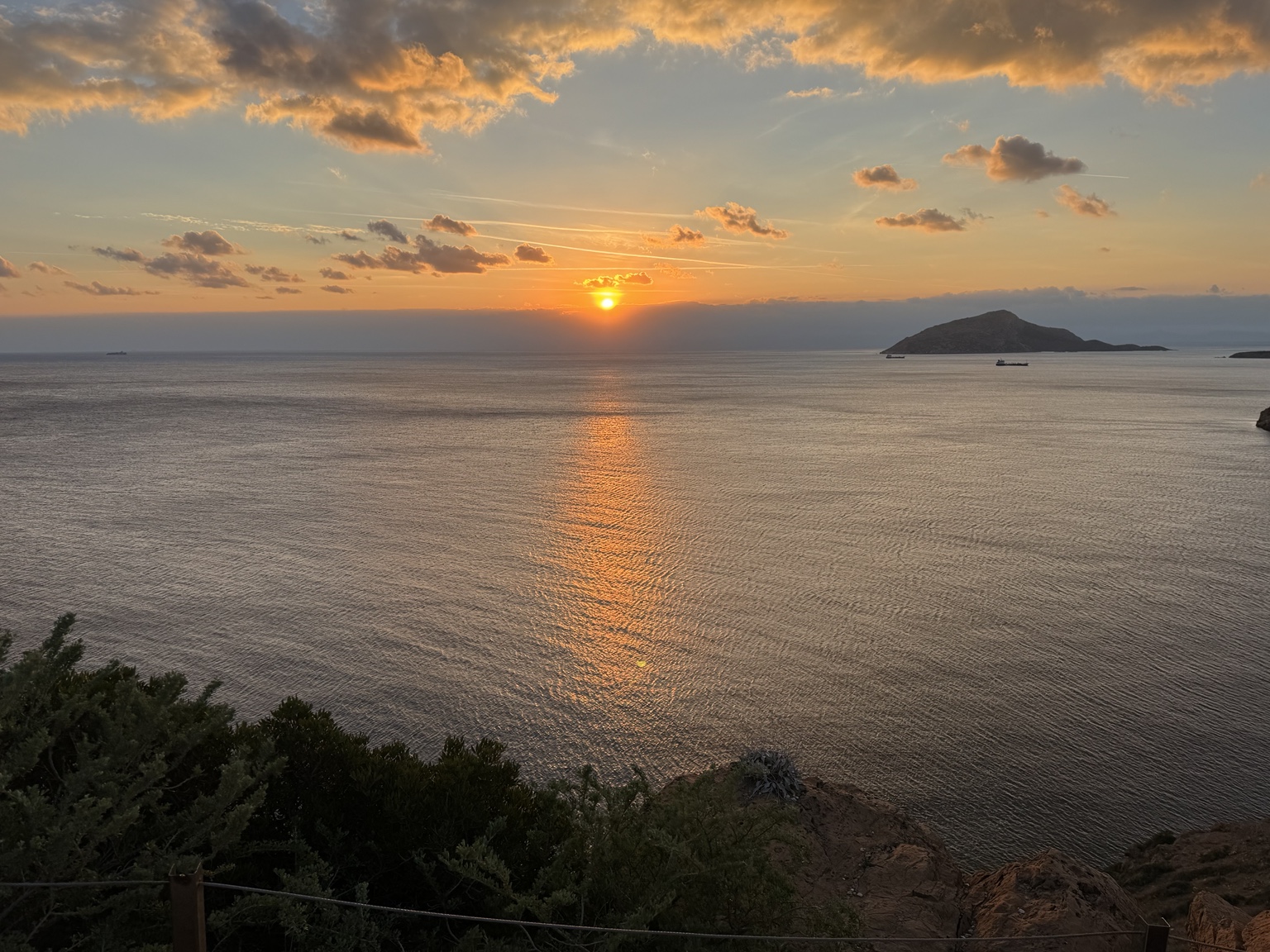
The golden sunset at the Temple of Poseidon at Cape Sounion—the southernmost point of Attica, roughly analogous to the rather tame Land’s End in England.
A bit of mythology is attached to it, like everything in Greece. Theseus was the king of Attica (Athens). Every year Attica had to send seven young boys and seven young girls to Crete, to the palace at Knossos, as a sacrifice to feed the always-hungry Minotaur. The legend behind the Minotaur is another story, which I’m not getting into at this time.
Theseus took it upon himself to go to Crete and, once and for all, take care of the problem. When he reached Crete, the daughter of King Minos, Ariadne, fell in love with him. She gave him a plan: he had to go down into the Labyrinth, where the Minotaur lived and was imprisoned. She gave him a thread so that he would not lose his way. He finally killed the Minotaur and, as promised, took the princess back toward Athens with him and promised to marry her…but, unfortunately, decided to ditch her on the island of Naxos along the way.
(Of course, Dionysus was lurking around, fell in love with her, and life moved on for her.)
Theseus had told his father, King Aegeus, that if he was successful he would have a white flag on his ship; if he failed, his crew would put up a black flag.
Cape Sounion being the southernmost point of Attica, his father waited anxiously. But as Theseus was too preoccupied with how to get rid of Ariadne, he forgot to change the black flag.
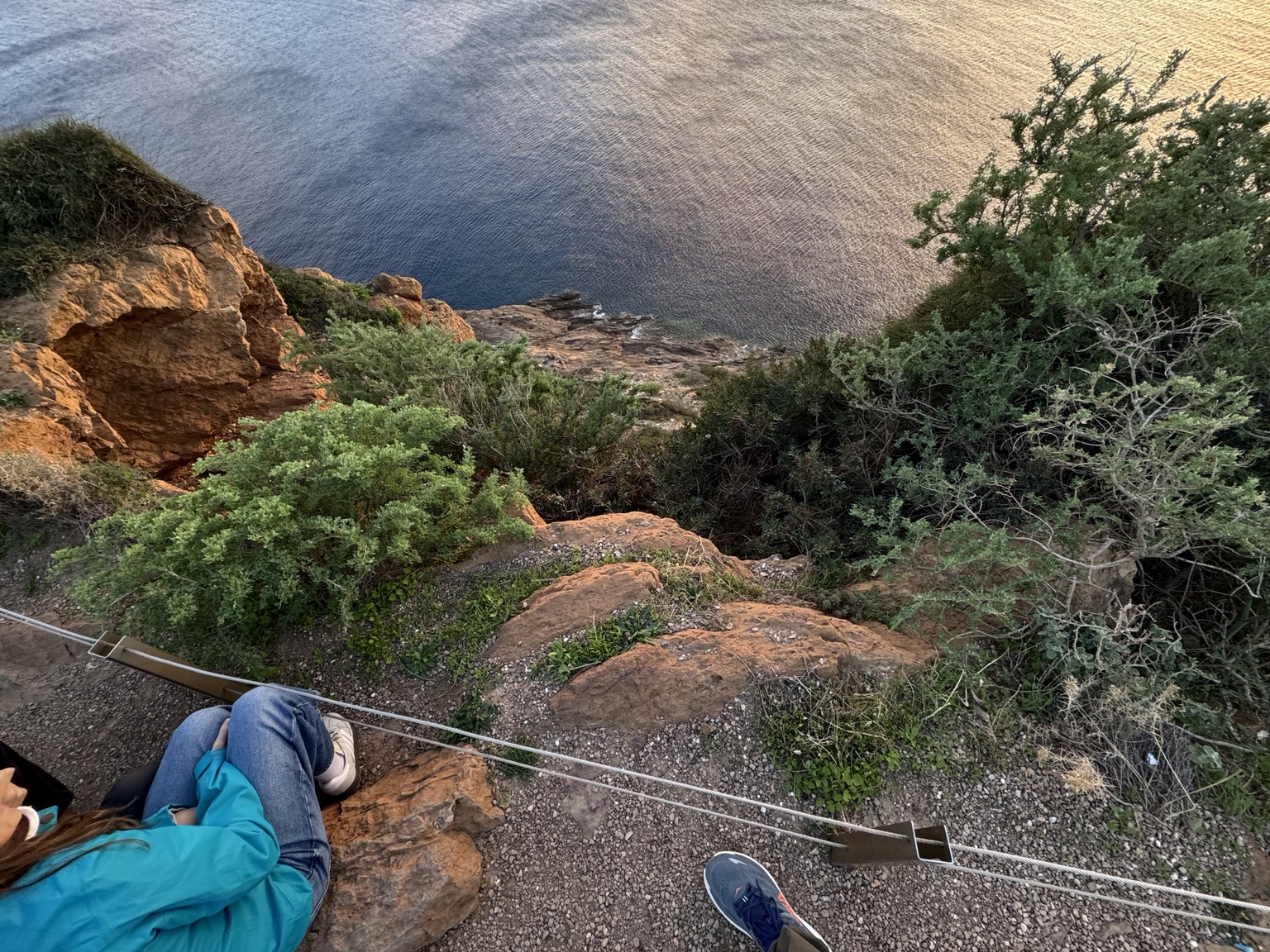
His father was waiting at Cape Sounion, and when he saw the black flag instead of the white one that had been promised if Theseus succeeded, he committed suicide on the spot by jumping into the sea—where I took a picture in which you can see one of my shoes. In retrospect, I think that I myself was precariously perched!
Since that time, the sea has been called the Aegean Sea, in honor of King Aegeus.
Each journey becomes a collection. Within it, videos can be browsed by country, city, site, period, or subject without losing the chronology of the trip.
Rome, Florence, Venice, and Sicily.
Epidaurus, Mycenae, Nafplio, Corinth, Athens, and Cape Sounion.
The archive is designed to grow by journey, destination, and subject without being redesigned.
These are not polished documentaries. They are observations made in the presence of the object, building, landscape, or historical site—where detail, context, and first response meet.
The site itself remains visible, audible, and central.
Art and architecture are approached through history, use, and meaning.
The immediacy of the visit is preserved rather than produced away.
Traveler · Observer · Student of history
Jimmy Khan records art, architecture, and historical places as he encounters them while traveling. His videos are personal field observations: direct, curious, and attentive to the historical life of a place.
The archive follows what can be learned by looking carefully—at objects, buildings, landscapes, and the layers of history still visible in them.